
Electric Flight Elevated
The New Way
To Fly
SMAPAD® cold-jet electric propulsion for cleaner, quieter, mission-configurable aviation.
eJet Aerospace develops SMAPAD® cold-jet electric propulsion architecture for cleaner, quieter, mission-configurable aviation, with platform concepts designed around civil transport, cargo, emergency response, and controlled defense applications.
Electric Flight Elevated
The New Way
To Fly
SMAPAD® cold-jet electric propulsion for cleaner, quieter, mission-configurable aviation.
eJet Aerospace develops SMAPAD® cold-jet electric propulsion architecture for cleaner, quieter, mission-configurable aviation, with platform concepts designed around civil transport, cargo, emergency response, and controlled defense applications.
Electric Flight Elevated
The New Way
To Fly
SMAPAD® cold-jet electric propulsion for cleaner, quieter, mission-configurable aviation.
eJet Aerospace develops SMAPAD® cold-jet electric propulsion architecture for cleaner, quieter, mission-configurable aviation, with platform concepts designed around civil transport, cargo, emergency response, and controlled defense applications.
Physics First
Cold-jet electric propulsion developed around measurable performance.
PRACTICAL AIRCRAFT
A 4-seat electric rotorcraft platform built for real operating needs.
DOMESTIC MISSIONS
Regional travel, emergency response, tourism, cargo, and medical transport.
DEPLOYMENT READY
Structured for partner evaluation, and real-world deployment planning.
Our Aircraft
Engineered for excellence
Every eJet aircraft is built with precision, innovation, and sustainability at the core.
- SMAPAD® cold-jet electric propulsion architecture
- Designed around vertical-lift and regional mission profiles
- Platform concept for civil, commercial, and controlled defense uses
Our Technology
SMAPAD® Cold-Jet Propulsion
The propulsion architecture behind the new way to fly
SMAPAD® is eJet’s electric propulsion concept. It is being developed as part of a larger aircraft architecture.
- SMAPAD® is a 100% electric propulsion system and it is the enabler of the new aviation.
- SMAPAD® is a technological breakthrough designed around practical mission profiles, long duration flights, with significant performance advantages compared to electric and traditional jet engine aircraft.
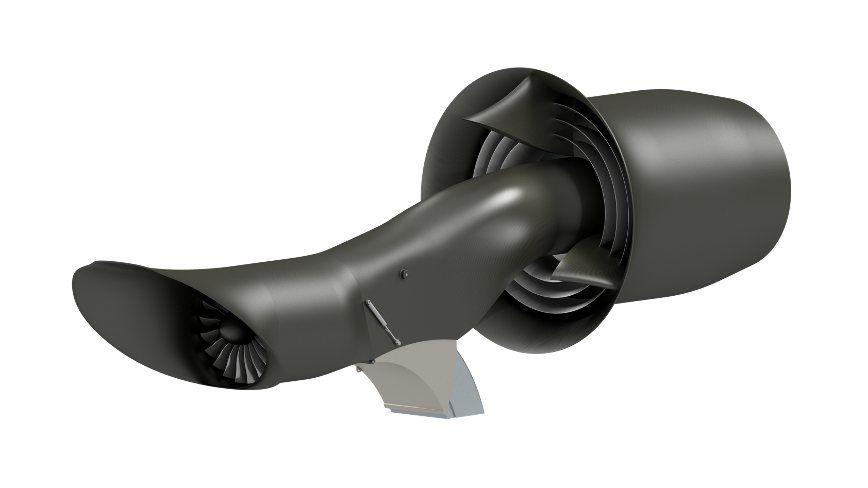
Granted Utility (Invention) Patent SMAPAD® Cold Jet Propulsion System 100% Electric
Internationally awarded for innovative companies by the World Intellectual Property Organization WIPO Switzerland Geneva 2013.
Design Patent (Industrial) for rotary wing GJet Models aircraft using SMAPAD®
Granted SMAPAD® application for rotary-wing unpowered rotor aircraft. Cold jet propulsion combined with the unmatched safety of a gyrocopter receives the name GiroJet or GJet for short.
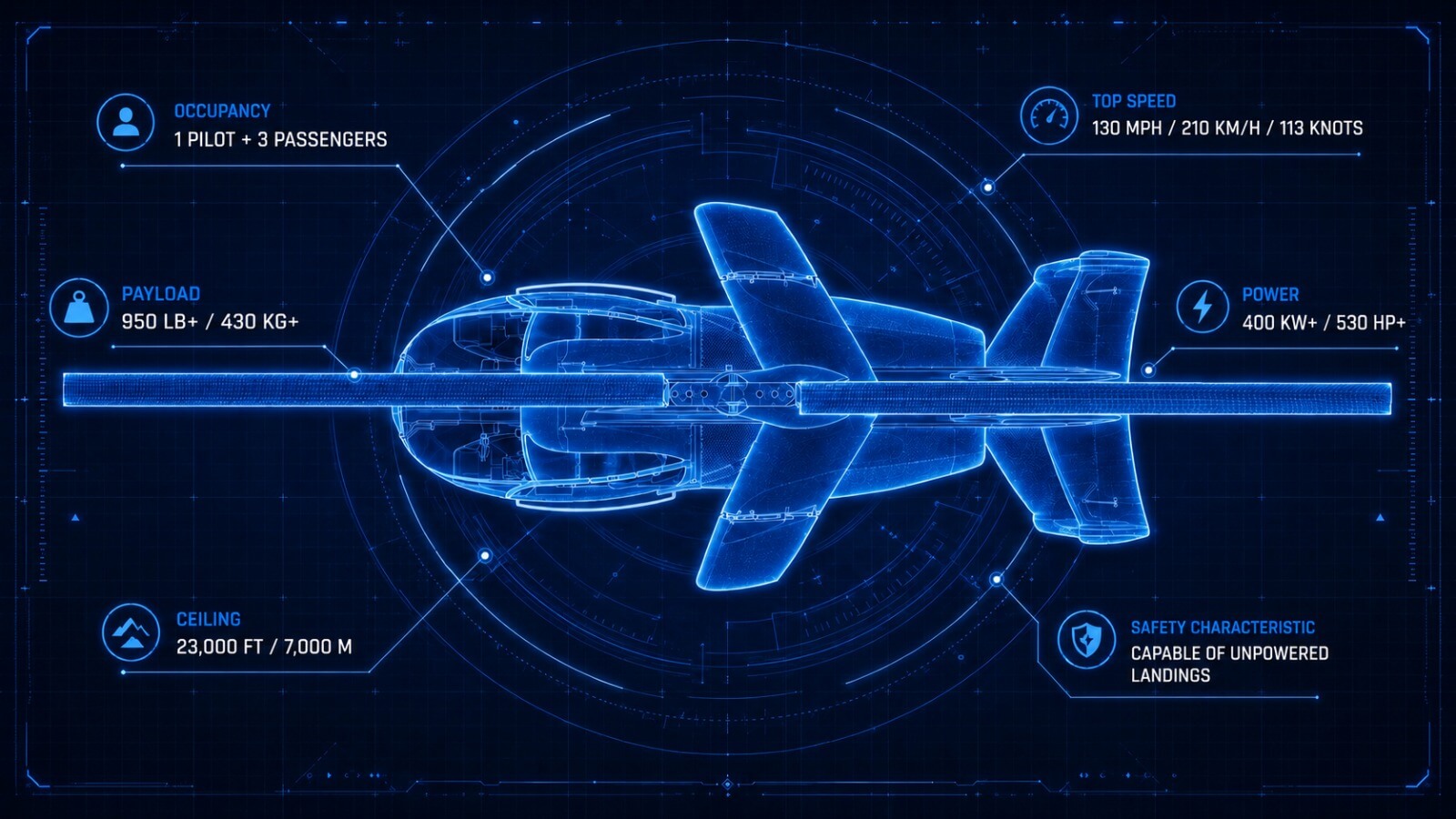
The Kóan™ in numbers*
| Spec | Kóan™ | Definition |
|---|---|---|
| Occupancy | 1 pilot + 3 passengers | Seat distribution of the aircraft |
| Top speed | 130 mph / 210 km/h / 113 knots | Target maximum air speed |
| Payload* | 950 lb+ / 430 kg+ | Useful weight carried: people, cargo, equipment, or mission systems. |
| Power | 400 kW+ / 530 hp+ | Max power output of the propulsion system |
| MTOW* | 2,910 lb / 1,320 kg | Maximum Takeoff Weight: aircraft + people + cargo + energy systems. |
| Ceiling* | 23,000 ft / 7,000 m | Target maximum operating altitude. |
| Safety characteristic | Capable of unpowered landings | The Koan can safely land in auto-rotation in the case of a sudden total loss of power mid-air |
* Presented values subject to change without notice
MT-1 eVTOL
MT-1 Electric Tactical Stealth Aircraft (eTSA)
- Cruising speed: 154 mph
- Range (non-stop): 349 miles (303 NM)
- Fly time capacity: 135 min
Cargo Capacity Seats 4 or 400 kg payload
Lightweight Rotorcraft (1320 kg) MTOW
Swapable Batteries externally-ventilated lithium-ion packs
Fly By Wire (no mechanic connections in the flight controls)
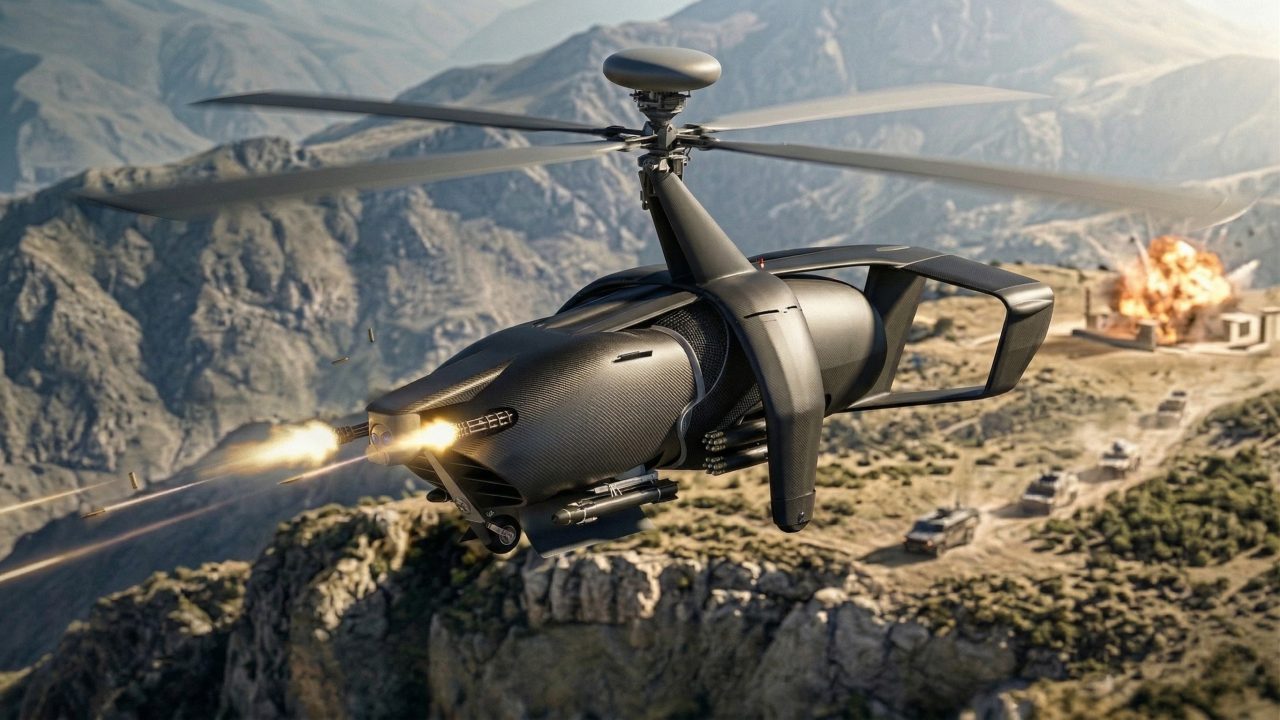

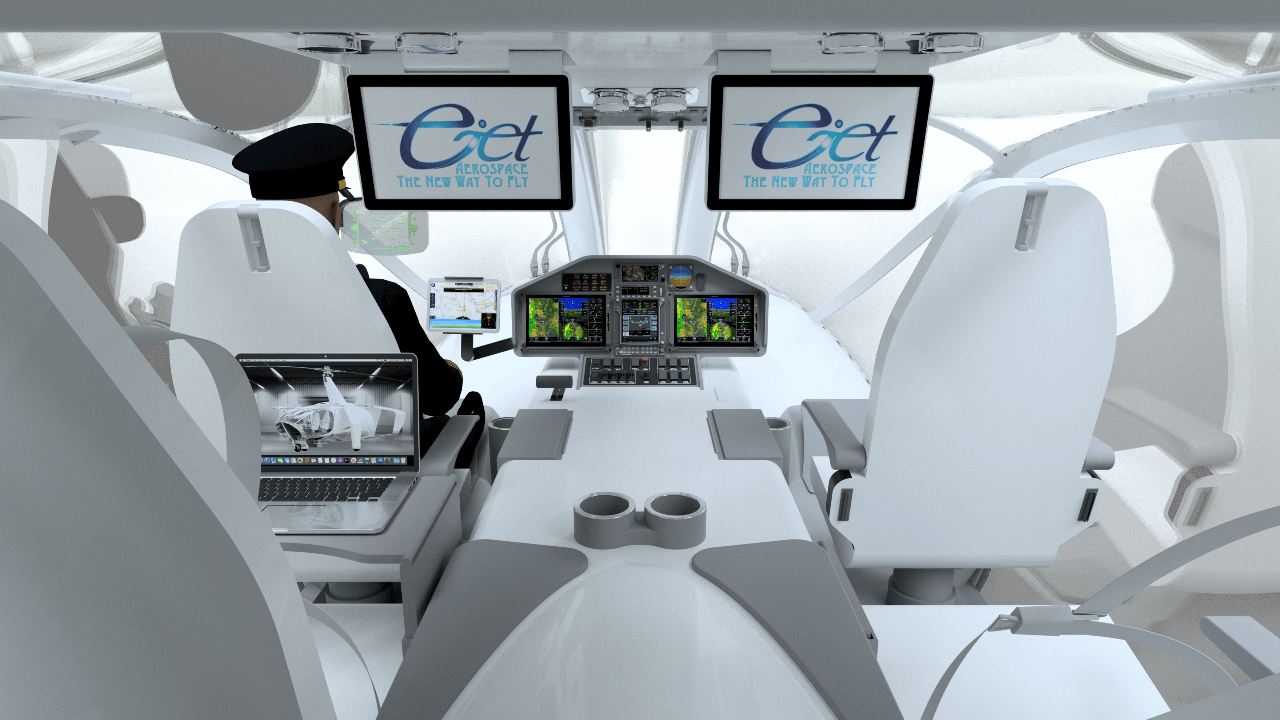
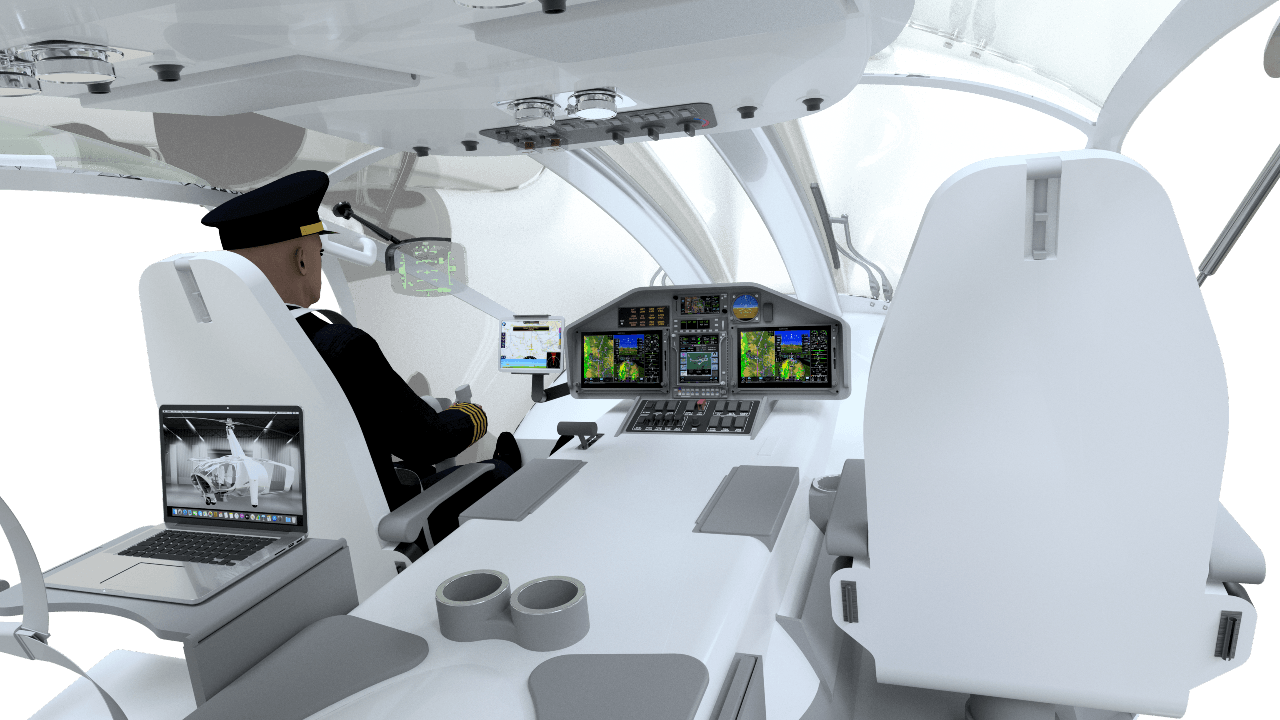
Kóan™ eVTOL
The eJet is engineered for short-haul passenger transportation, offering a quiet, cost-effective alternative in markets where traditional aviation requires too much infrastructure or capital.
Tailored specifically for FAA Part 135 operators, the aircraft is positioned for the future of commuter and on-demand service, enabling highly efficient, point-to-point travel without relying on large airport hubs.
Solutions
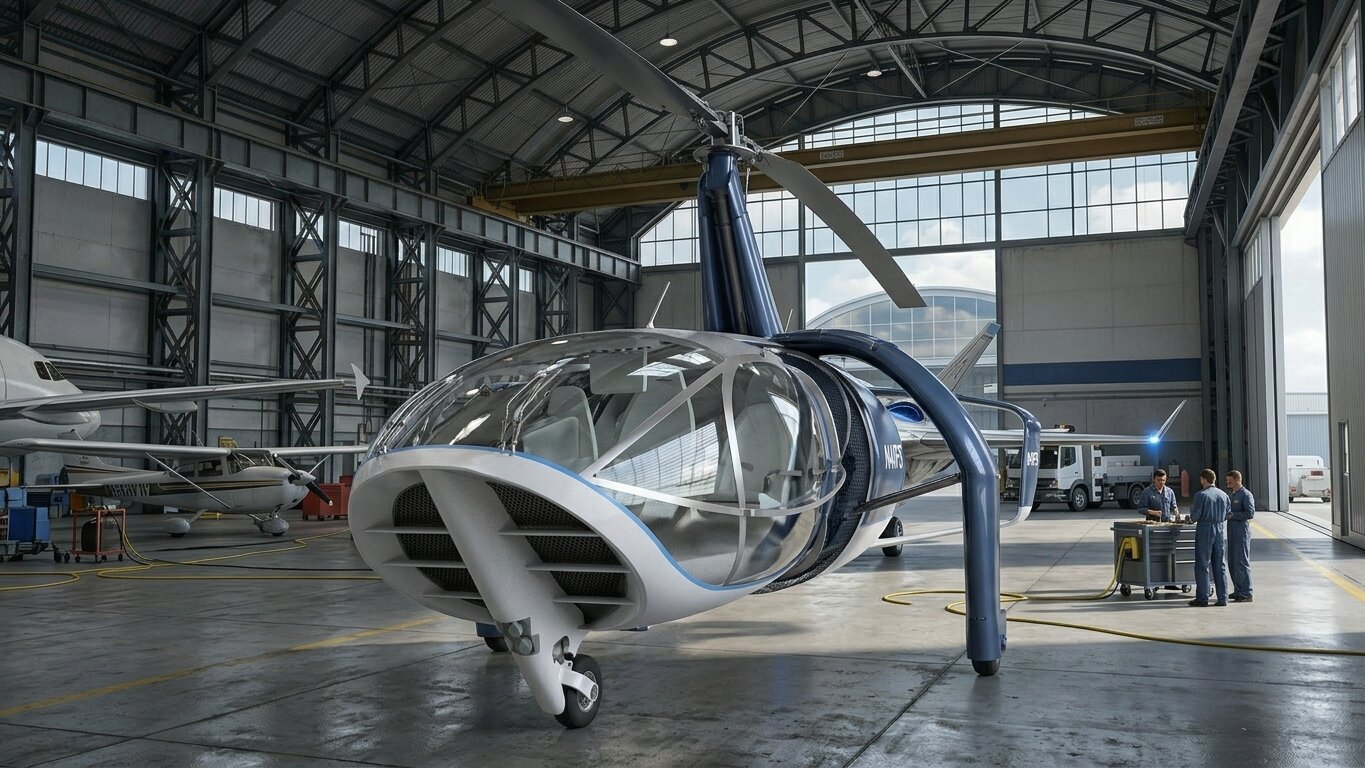
Built for Every Mission
eJet Aerospace develops SMAPAD® cold-jet electric propulsion architecture for cleaner, quieter, mission-configurable aviation across civil, commercial, cargo, emergency response, and controlled defense applications.
Founders
Visionaries Leading the Way
Meet the visionary founders driving innovation, growth, and the future of advanced air mobility.

Dr. Raymond François Aubourg
Co-Founder & CTO

Saul Tarazona
Co-Founder & CEO

Dr. David Castañeda
Deputy CTO
- Certification
- Technology Readiness
- Scalable Deployment
- Roadmap
- Ecosystem & Strategic Partners
- Accessible Production
Engineered for Certification Under Existing Frameworks
The Kóan™ is certifiable today under FAA 14 CFR Part 27 regulations for normal rotorcraft.
This means the aircraft meets the safety and operational standards for commercial helicopters currently on the market
Technology Readiness Level
TRL is a scale used to describe how far a technology has moved from idea, to testing, to real-world readiness.
Airframe — TRL 6
The airframe has reached a stage where testing has been performed in a relevant environment.
SMAPAD® Propulsion System — TRL 5
The propulsion system has reached higher-fidelity integration testing in a simulated environment, including Computational Fluid Dynamics testing.
Built for Real-World Operations
eJet is being conceived as more than an aircraft concept. The platform is being developed with the operational foundation needed for domestic deployment, including pilot training, ground support, charging, maintenance, battery handling, and site readiness.
Past
eJet’s work has included scaled model testing, early experimental validation, preliminary CFD work, and conceptual design development.
Present
The current focus is refinement: improving the aircraft design, validating the SMAPAD® propulsion concept, reviewing mission profiles, and preparing the development path around certification requirements.
Next
The next stage is deeper experimental testing of the propulsion system and the mechanical design and contruction of a full size ready-to-fly prototype.
Ecosystem & Strategic Partners
eJet is reviewing technology and manufacturing relationships that may support batteries, motors, aircraft systems, manufacturing, and operations.
Designed for Accessible Production
eJet’s suspended assembly-line concept treats accessibility as an engineering requirement. The production model is intended to allow skilled contributors with limited lower-limb mobility to participate meaningfully in aircraft assembly.
Values
At eJet, we are driven by relentless innovation, guided by uncompromising safety, and committed to progress toward human advancement.
Mission
To advance electric aviation through SMAPAD® propulsion, practical aircraft architecture, and disciplined engineering development.
Vision
To help shape a new generation of cleaner, quieter, mission-configurable aircraft for civil, commercial, and controlled defense use.

The 21st century will be for the aviation industry like the 20th century was for the automotive industry.
– Eng. MSc. PhD Raymond François Aubourg